
Health benefits of contact with nature
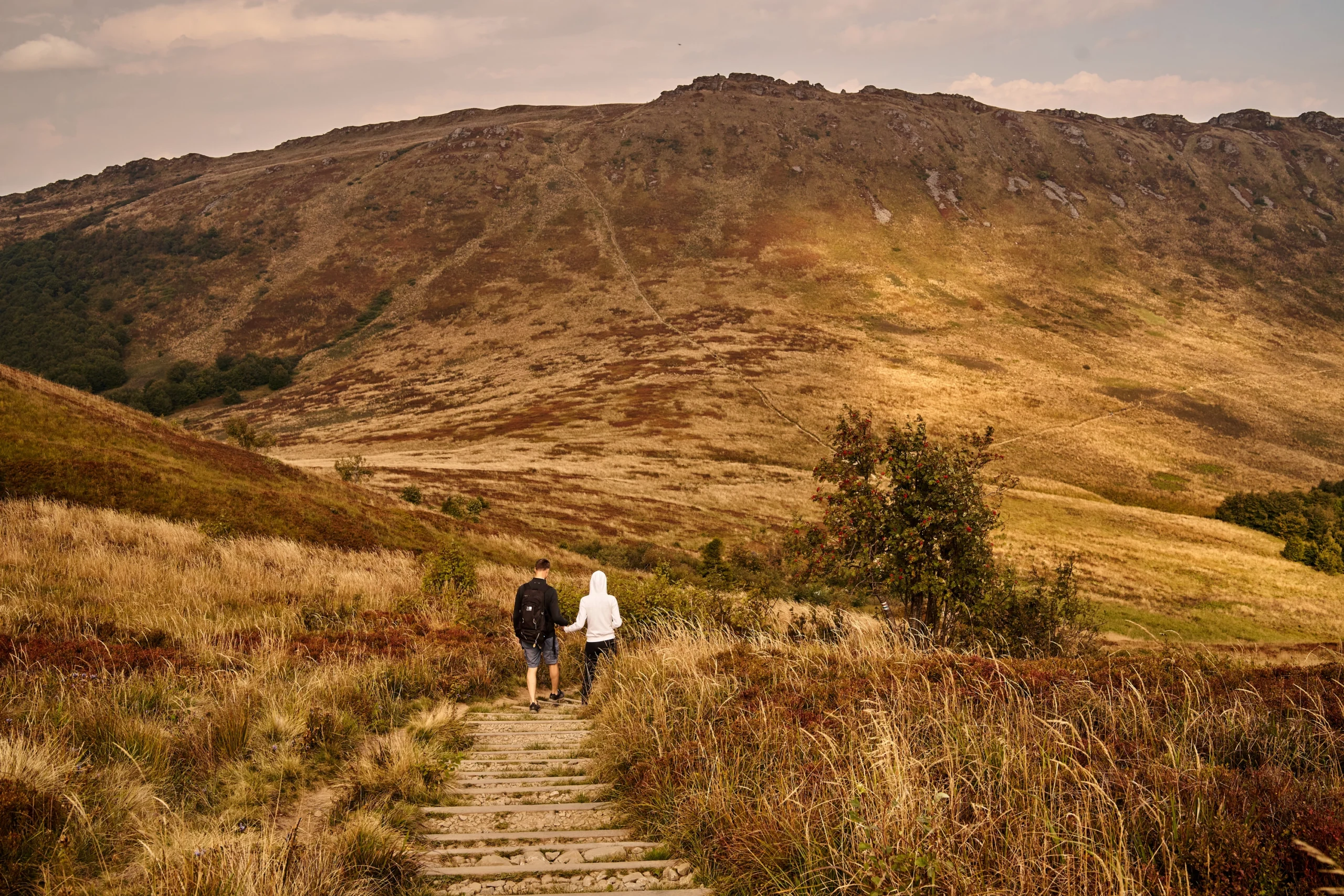
Numerous scientific studies show that regularly spending time in nature has a beneficial impact on physical and mental health in the following ways:
- alleviates depressive states and anxiety,
- reduces restlessness,
- improves concentration, memory, and mood,
- increases optimism and vitality,
- stimulates creativity,
- reduces anger,
- helps release tension,
- reduces the tendency toward aggressive behavior,
- reduces stress,
- increases mental work efficiency,
- improves alertness,
- strengthens psychological resilience,
- increases the sense of restoration,
- supports cognitive and emotional development in children,
- improves sociability and self-esteem,
- in school-age children, improves performance in the following areas of brain function: IQ, perceptual, verbal, and mathematical abilities, readiness to learn,
- helps restore the right prefrontal cortex responsible for organization, evaluation, and concentration,
- improves emotional regulation,
- reduces rumination = repeatedly replaying unpleasant thoughts, conversations, and feelings associated with depression and anxiety,
- alleviates ADHD symptoms,
- slows brain aging,
- protects the aging brain from cognitive decline: executive functions, memory, psychomotor performance,
- helps fight bacterial infections,
- lowers blood pressure,
- reduces heart rate,
- alleviates diabetes, chronic pain, and migraines,
- reduces facial muscle tension,
- lowers cortisol levels (the stress hormone),
- reduces the risk of chronic diseases,
- prevents myopia > sunlight stimulates dopamine release in the retina, preventing excessive elongation of the growing eyeball,
- strengthens immunity.
Worth remembering
- Our brain particularly loves the sight of water.
- The denser the trees in a neighborhood, the lower the rates of heart disease and metabolic disorders (Toronto studies).
- Social skills in young children are a better predictor of future success than academic ability (Pennsylvania State University researchers).
- Children with ADHD develop well outdoors.
- Awe makes us feel less time pressure and impatience.
- Chronically high levels of cytokine IL-6 indicate inflammation and are associated with depression, stress, and poor muscle recovery; experiencing awe, e.g. by observing nature, lowers IL-6 levels and strengthens social bonds, reducing inflammation and stress (Keltner).
- Looking out the window for a few minutes also improves mood and lowers blood pressure.
- “The three-day effect” > senses, perspective, and cognition sharpen over time.
- Attention Restoration Theory (Rachel and Stephen Kaplan) > in urban environments, our attentional resources are significantly depleted due to information overload.
- “Nature challenge 30 x 30” > 30 minutes of walking daily for 30 consecutive days.
- Walking on a treadmill or outdoors supports divergent creativity = long-range thinking involving brainstorming and finding multiple correct answers.
- 40 minutes of a calm walk daily can help maintain brain health longer.
- “If you are in poor condition and have little energy, you may not be able to spend much time with others, but you can spend time with animals, plants, stones, and water” (Ottosson).
- Spending 3 hours a day in a forest for 12 weeks reduces depressive symptoms, increases physical activity, and improves sociability and self-esteem.
- Lung cancer is not associated with stress.
- 5 hours of walking in nature per month helps restore well-being and reduce everyday low mood.
- Experiencing nature alone seems especially beneficial for mentally exhausted individuals or those under social pressure.
- Gratitude is beneficial for health.
- Sunset = “opium for the eyes”.
- Easy-to-process views, such as grass, water, and trees, trigger the release of natural opioids in the brain, which have strong pain-relieving effects.
- When stressed, go to a quiet place.
- Scents of lavender and rosemary reduce cortisol levels and increase blood flow (a positive effect).
- Korean scientists found that the number of immunity-boosting T lymphocytes in women with breast cancer increased after a 2-week stay in a forest and remained elevated for 14 days.
- Essential oils from coniferous trees, applied topically in low concentrations, help treat atopic dermatitis.
- Cypress oil > main components include camphor, terpenes, pinenes, humulenes, limonenes, and sabinenes; sabinenes appear particularly effective in asthma treatment, while terpenes help fight bacterial infections and stress.
- Geosmin, produced by soil organisms (especially Streptomyces), responsible for the smell of earth after rain, helps relaxation because we are sensitive to it > it signaled water sources to our ancestors = the scent of survival.
- Some studies show a decrease in hemoglobin levels in the prefrontal cortex during time spent in nature; blood likely shifts to the insula and anterior cingulate cortex, which are associated with pleasure, empathy, and spontaneous thinking.
- Even short sessions of viewing nature images are beneficial.
- Psychological suffering is often linked to mental fatigue.
- Humans have a brain that is sensitive to social and emotional stress and always will.
- People who use multiple media sources simultaneously have a reduced ability to focus on cognitively demanding tasks.
- Music, friends, and cultural events are good for mental health.
- The number of NK cells is increased by phytoncides = volatile organic compounds.
- Actinomycetes in soil have a beneficial effect on health.
Nature pyramid
Minimum health-promoting doses of nature
- DAILY > contact with nearby nature
- 1 HOUR WEEKLY > time in a park or near water away from urban noise
- ONE WEEKEND PER MONTH > a trip to a forest or another natural area away from the city
- ONCE OR TWICE A YEAR > a multi-day trip into the wilderness
Prepared by: Monika Burchard
Based on the book: Williams, F. (2018), The Nature Fix. Jagiellonian University Press