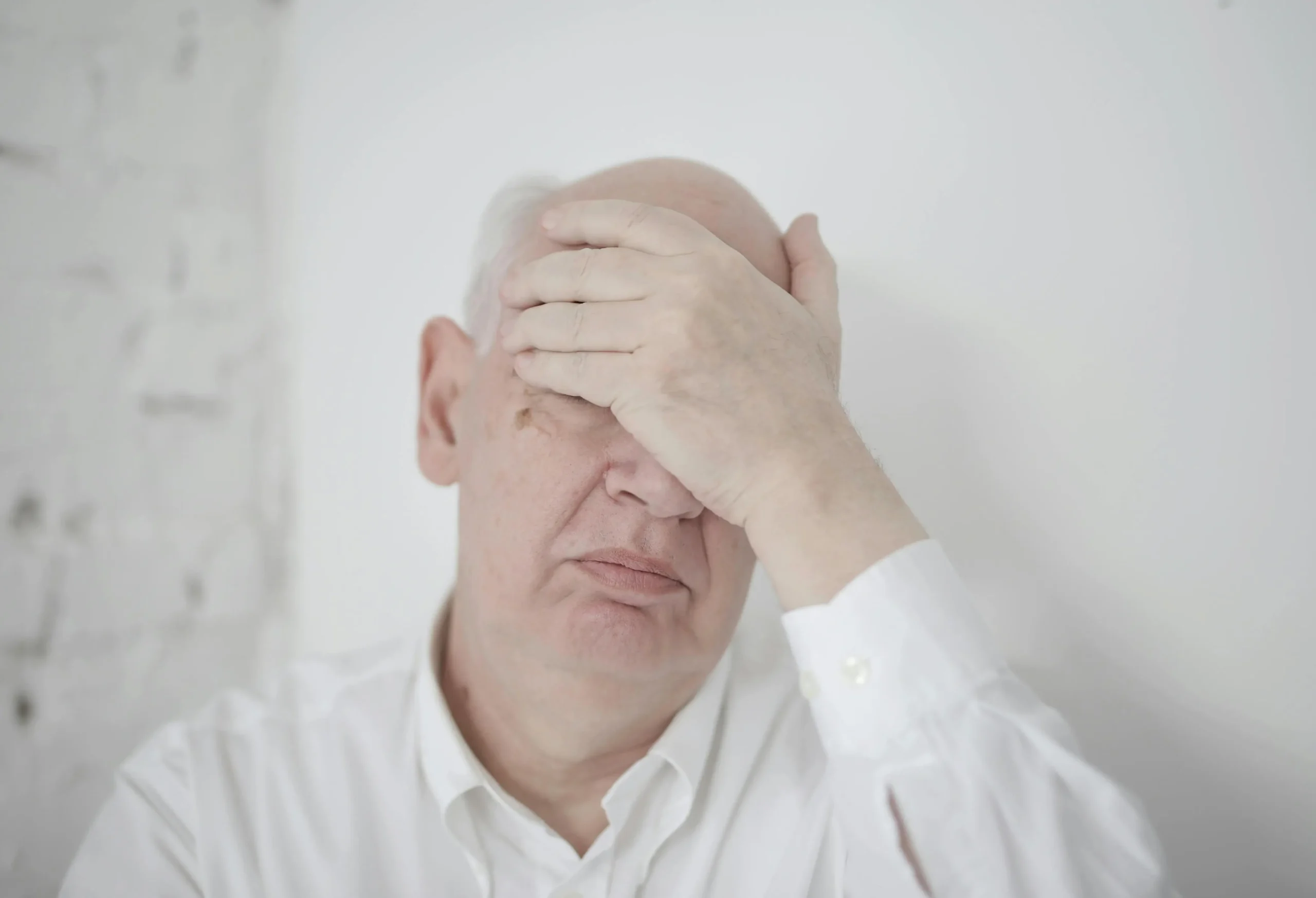
This time I will explain what can be done when a patient refuses treatment, which is especially difficult for their loved ones. In such situations, I first try to find out what the patient knows about their health condition and how aware they are of the seriousness of the situation. Sometimes, especially shortly after diagnosis, the patient simply denies the illness and needs time to process difficult information, because at that moment it is too overwhelming. Some patients, despite this state, still undergo treatment, but there is also a group who, in their denial, resign from further medical care. In such cases, it is possible to arrange a conversation with the patient, not necessarily on your own. It is worth asking a hospital psychologist for help, as they can guide the conversation in a way that helps uncover the main source of the patient’s fear. Perhaps they have negative associations with the proposed treatment or the illness itself, while their knowledge about treatment may be outdated. Working in a hospital, I often see how treatments, such as surgical procedures, are becoming less and less invasive. Procedures that once required weeks of hospitalization now sometimes require only 3 days. Let us also remember that we fear what we do not know, which is why it is helpful to arrange a meeting with a specialist who will take the time to explain the treatment in detail, including potential side effects—while emphasizing that they may occur, but do not have to—and how they can be managed.
Fatigue from treatment and the right to make one’s own decisions
It may be that the patient feels exhausted by previous treatment and by the fact that others constantly decide for them what they should do and what procedures they should undergo. That is why it is so important to listen to patients and not dismiss their concerns—they have every right to them. After all, who wouldn’t be afraid? For example, in the case of chemotherapy, it is not so obvious that everyone must agree to it. Some patients tell me directly, “Ms. Monika, I feel like I won’t survive this chemotherapy, I am too weak,” and I always accept that, and I am even inclined to believe them. I do not feel entitled to push them into treatment that goes against their inner feelings. I respect them deeply, because ultimately, it is the patient who bears the consequences of their treatment decisions. It is much easier to endure difficulties we expected than those imposed on us against our will—then the discomfort of treatment becomes much harder to bear. The author of the book “Love, Medicine and Miracles,” an American surgeon and oncologist, writes that if a patient is not convinced about chemotherapy and sees it as poison, it is better to postpone it until fear and negative beliefs about it are addressed. According to his observations, patients with negative beliefs about this form of treatment did not benefit from it. I have not studied this myself, so I refer to the book and the author’s observations, which, for their time (the 1980s), were not widely accepted.
Awareness of the consequences of not undergoing treatment
Personally, I always ask the patient whether they know the most likely consequences of not undergoing treatment. The answers vary. Sometimes they do, but sometimes, when I ask this question, they realize that they actually do not know what will happen if they refuse treatment. In such cases, the attending physician plays a crucial role in the decision-making process, as they know the patient’s condition and can patiently explain the potential consequences of refusal. Such a conversation can be a turning point.
Testing decisions step by step
However, if the patient, despite being aware of their condition and understanding the treatment, is still hesitant and unable to identify the source of their indecision, I suggest—if time allows—that they spend one week living with the decision to undergo treatment and another week with the decision to refuse it (or the other way around, the order does not matter). The point is to observe how they feel with each decision, during which week they feel more anxiety and when they feel relief. Removing the pressure and expectation that they must undergo treatment, and allowing them to decide freely, can be very liberating and reduce resistance to treatment. It is essential to listen to the patient, follow their needs, and not trivialize their dilemmas.
Alternative therapies and conventional medicine
Some patients want to give up treatment in favor of alternative therapies. Personally, I believe that some methods can be a great complement to standard treatment offered by conventional medicine. It is important to stay cautious and not be misled by people who sell false hope for large amounts of money. When my father was ill, and his situation was hopeless from the beginning, he underwent chemotherapy, but I strongly encouraged him to visit a bioenergy therapist who had a principle of helping oncology patients free of charge, because in such cases he felt the limits of his abilities. There were people who claimed he helped them recover from very serious conditions, including cancer. A patient who used his support had nothing to lose except time. I believe there are people who have a gift for supporting others in healing through their energy, although they are rare, and we may not know for a long time whether their effectiveness is due to placebo or a direct result of their actions. It is said that belief can work wonders. Observing certain situations, I feel that some people have the potential to benefit from it.
A sense of control over the healing process
Treating a chronic illness is usually a complex process, and none of us truly knows how we would behave in such a situation. That is why I deeply respect my patients’ intuitions and try to accompany them in treatment in a way that allows them to feel a sense of control over the process. Sometimes there is a dilemma between a longer life with lower comfort due to treatment side effects and a shorter life with better comfort without them. It is not my place to judge which decision is right, because what seems obviously good to many may be the opposite for a given person.
Summary
If I had to reduce the above text to three words, they would be: listen, inform, accompany.